Sectors
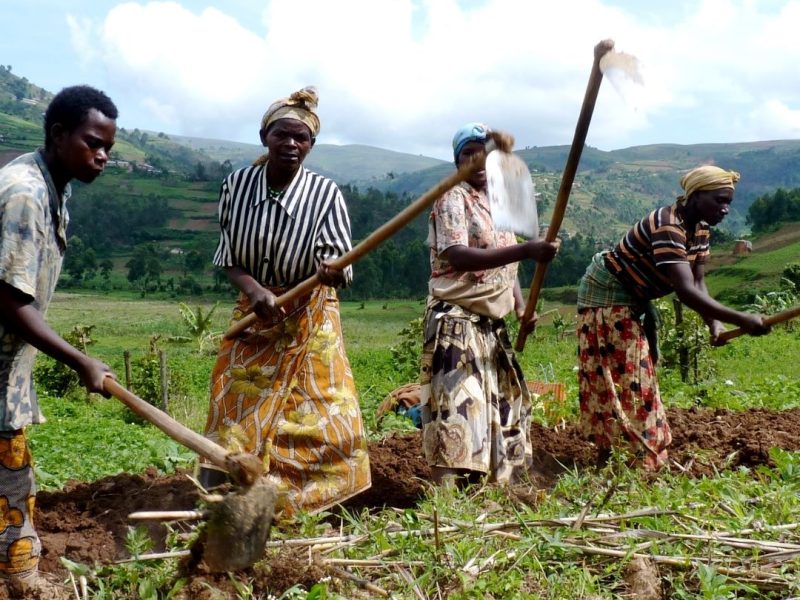
Agriculture, agribusiness & livelihoods
Agriculture is an important source of livelihood for most of the Iteso population. The sector has the significant potential to increase food security, reduce rural poverty, and generate both on-and off-farm employment opportunities and wage-based incomes. APID seeks to contribute to increased sustainable production, productivity and climate resilience of small holder farmers with increased production (rural livelihoods), farming as a business and profitable access to domestic and export markets (market linkages and infrastructure)..
Land
Land tenure conflicts are common and intensifying as a result of a growing population and increased competition over limited land-based resources. Insecurity of tenure affects female-headed households, and those who are otherwise marginalized, in particular. Customary and indigenous land rights are especially important considerations and will be addressed under this outcome area. Thus, a call for action.

Health
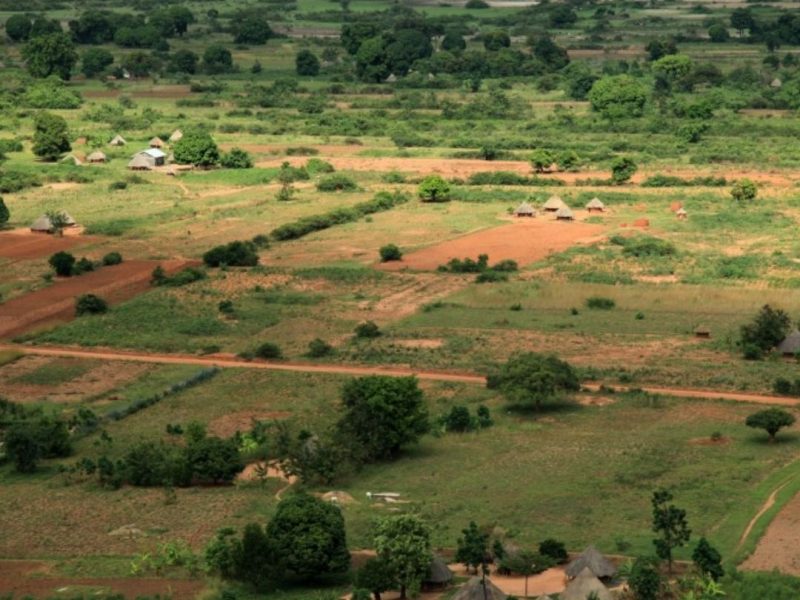
The health status of the population of the country has deteriorated over the last decades due to severe neglect of the health system, especially in the rural areas, where over 75% of the population live. Limited resources, deteriorating infrastructure, poorly trained staff in the health sector, and inadequate and declining access to basic health services are among the main reasons for the decline. APID aims to position itself in partnership with both state and non-state service providers through supporting the government in implementing the National Health Plan (NHP) as it relates to rural and Peri-urban and urban health setting. APID will support the establishment and strengthening of the key health building block.
Education
In Uganda, most school do not have the following facilities critical to children’s safety and learning: functional classrooms, latrine, water, playground, and library and science laboratory, to mention a few. The poor classrooms and the absence of basic facilities results in poor learning outcomes at all levels. In the education sector, Uganda suffers from low quality of education as reflected in performance indicators on learning outcomes. APID shall partner with various educational partners to work for improving Access and Quality of Education services at strategic educational levels.

Environment
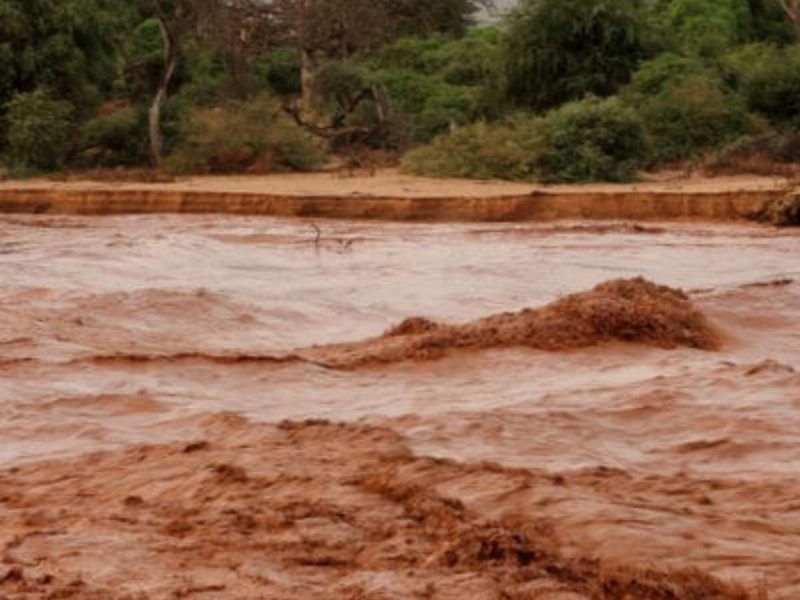
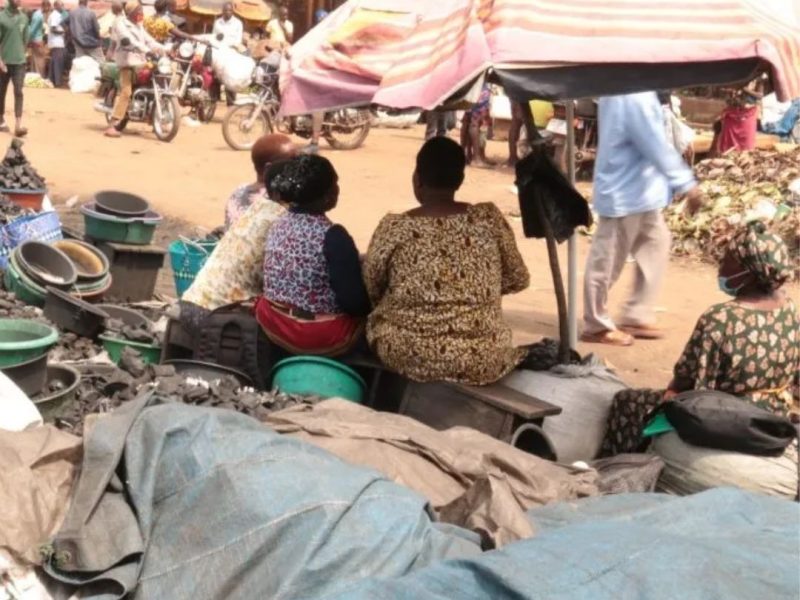
Sound management of the earth’s ecosystems is fundamental for sustained economic growth, livelihoods, security, and human well-being. Natural resources such as clean water and air, forests, agricultural land, and water systems all provide the basis for lasting human development and resilience. For instance, in Teso poor farming practices and charcoal burning as a form of business have led to environmental degradation. APID shall facilitate a concept of environmental citizenship among the population, through the integration of knowledge, sense of responsibility and successful action to mitigate climate change impact.
Finance & Trade
In the Teso region, the local poor people face challenges in terms of economic inclusion and growth, competitiveness, and job creation. These challenges were made even more salient as the cotton and cattle economies unfolded across the region. However, the hope in the liberalized economy presents opportunities for organizing the local communities into SMEs to a cash-based export production (i) Competitiveness and integration and ii) Inclusive development and iii) job creation) for increased income from viable trade ventures.

Law & Justice
From APID’s assessment reports, citizens have little knowledge of their rights to justice and limited or no access to free legal aid, making socioeconomically disadvantaged groups particularly vulnerable to inequities regarding access to justice. The capacity of women in particular to access justice is hindered by structural inequalities and pressure coming from traditional stereotypes. APID intends to share knowledge on and offer appropriate guidance and support to victims on key priority laws and policies pertaining to criminal justice, non-discrimination and human rights and in line with the Constitution of Uganda, international human rights standards and recommendations of UN human rights mechanisms.
Governance
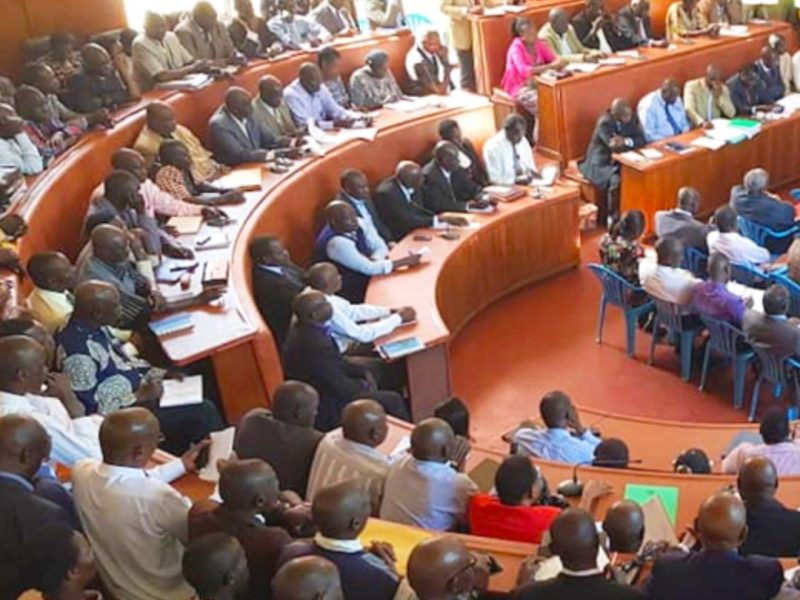
The governance sector is one of APID’s priority because it’s identified due to increasing, vulnerability of groups of women, elderly, children and youth as key challenge that must be addressed in the context of recent developments in the country. This vulnerability is, in part, related to exclusion from decision-making processes and practices in the course of the public service delivery in the country. In Uganda, this is due to: a) uneven political commitment to assume duty bearer responsibilities enshrined in various conventions and national policies; b) incomplete awareness about requirements of, and role models for, good governance; c) paucity of practical and institutionalized mechanisms for engaging civil society in decision making and accountability processes; d) rights holders’ lack of knowledge of their rights and lack of effective remedies to establish their rights; and e) combined low capacity and fragmentation of State institutions and civil society in effective service delivery. In aggregate, vulnerable groups are unable to realise their full rights as citizens to get an equal and fair access to public services and effectively participate in processes that influence their lives. APID seeks to demonstrate the operationalisation of good governance in the context of social justice initiatives aimed at improving access to public service delivery and addressing the rights of the most vulnerable elements of three thematic constituency groups in Teso –children, women and youths.
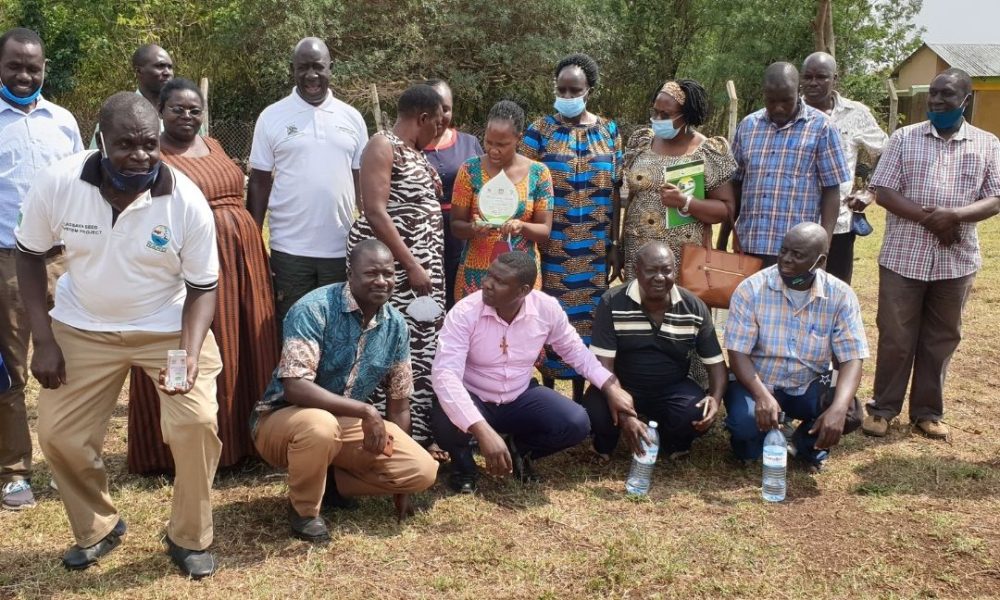
To enhance the democratic capabilities of community group members (Ateker) to demand for quality public services and local government leaders to be responsive and accountable.
Research, Advocacy, Lobbying , training and capacity building
To mobilize adequate resources locally, nationally, regionally and internationally to enhance community development initiatives.
To enhance the partnership development, collaborations and networking among APID Members.
To strengthen the APID’s institutional, organizational and operational capacities and her members to effectively fulfill its mission and objectives.
You can make a difference through education, fundraising or volunteering.
Get in touch with us and we guide you on how you can be of value to Teso community
Q: What can I do to help?
Get in touch with us and we guide you on how you can be of value to Teso community
Q: Why you need to be part of this ?
Get in touch with us and we guide you on how you can be of value to Teso community
Our Vision
Improved livelihoods , healthy, educated and empowered Iteso communities
Links
Help
- Contact Us
- Clusters
- News